

Vehicle Armoring & Ballistic Protection Solutions
Ultimate Protection Without Compromising Performance or Design
Introduction: Where Premium Vehicle Customization Meets Advanced Security
For years, clients across California have trusted Sorena Car Audio for high-end car audio systems, precision vehicle customization, and flawless interior integrations. Today, we take that expertise one step further by introducing Professional Car Bulletproofing Services—designed for those who demand uncompromising safety without sacrificing comfort, performance, or aesthetics.
By combining our deep experience in complex vehicle installations with industry-leading ballistic technology partners, we now offer discreet, lightweight, and certified vehicle armoring solutions. Whether you are a business executive, high-profile individual, fleet operator, or a private client seeking peace of mind, our bulletproofing services transform your vehicle into a secure, mobile sanctuary—without making it look or feel armored.
Two Key Solutions for Your Security: Ready-to-Buy Armored Vehicles and Custom Armoring Conversion Services in California
At Sorena Car Audio in Irvine, California, we understand that security needs vary. That’s why we offer a comprehensive suite of Ballistic Protection Solutions spanning two core paths to achieving maximum safety:
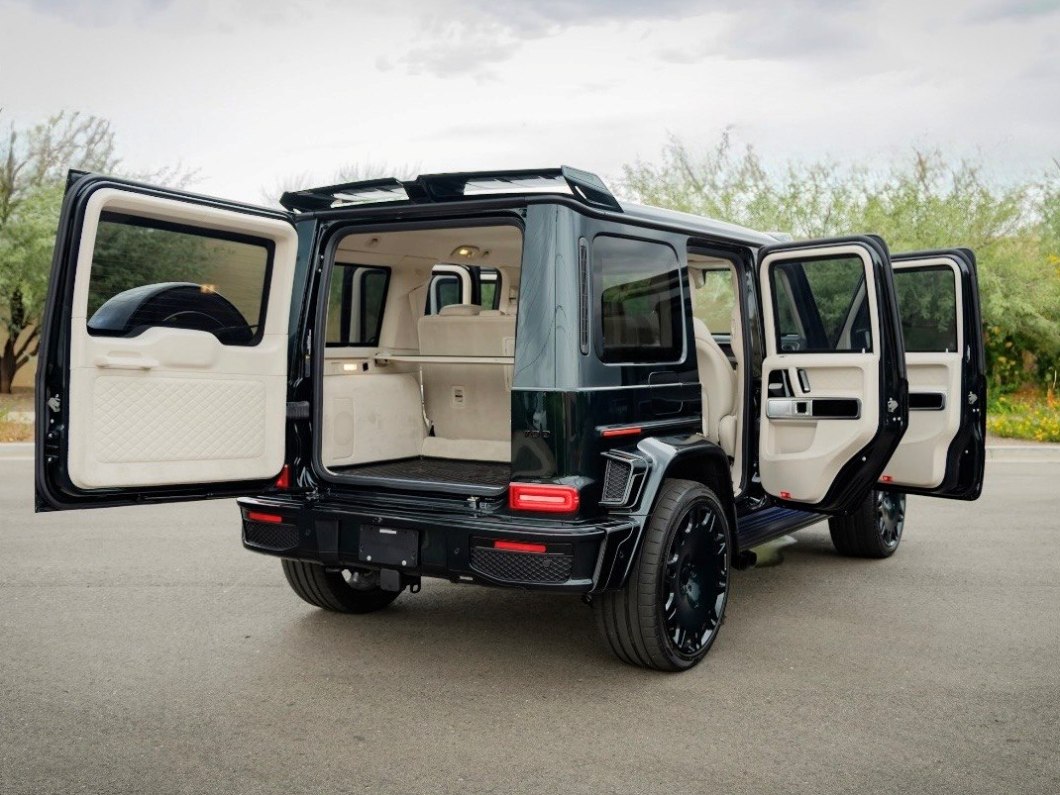
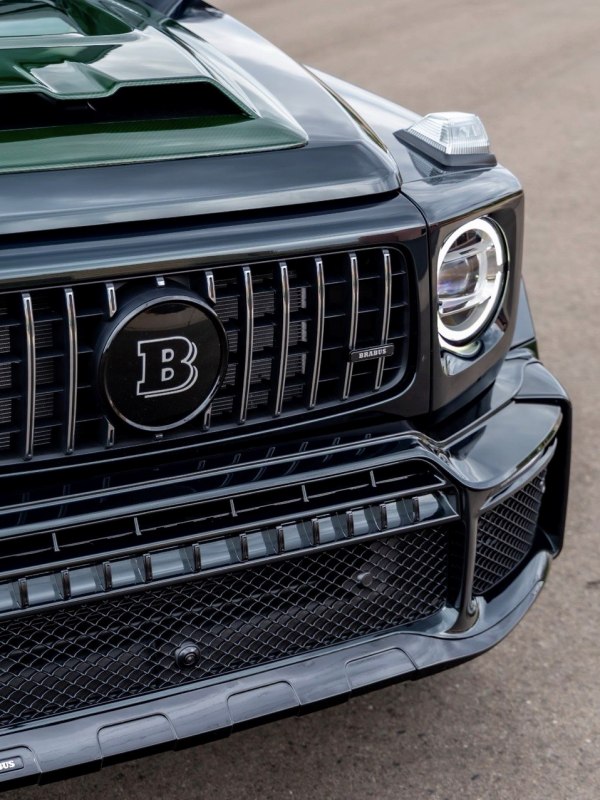
1. Sales of Ready-Made Armored Vehicles for Immediate Delivery: For clients requiring an immediate protective solution, we offer a curated selection of brand-new, ready-to-armored vehicles for sale. These vehicles, often based on popular luxury models, have been expertly equipped to the highest ballistic standards without compromising performance or original aesthetics, and are available for prompt delivery. Choosing a ready-made armored car saves valuable time compared to a custom build.
2. Custom Armoring and Conversion of Your Existing Vehicle: If you prefer to maintain your current vehicle, our specialist team provides tailored, professional car armoring conversion services. Leveraging advanced, lightweight technologies, we transform your existing vehicle into a secure, mobile sanctuary while preserving its factory appearance and performance specifications. This process of discreet vehicle armoring allows you to experience unparalleled security with zero visual compromise.
Our expertise in both sales and custom conversion ensures that whether you choose to buy a ready armored vehicle or convert your existing car to bulletproof standards, your personal and family security is met with the highest quality and flexibility.
Why Vehicle Bulletproofing Is No Longer Optional
In today’s unpredictable environment, personal and asset security requires proactive solutions. Vehicle armoring is no longer reserved for diplomats or government officials—it has become a smart investment for civilians, executives, families, and businesses.
An armored vehicle provides:
- Protection against armed threats
- Safe mobility during high-risk situations
- Confidence for daily commuting and long-distance travel
- Peace of mind for passengers and loved ones
Our goal is to deliver 360-degree ballistic protection that integrates seamlessly into your vehicle, making the security invisible to the outside world.
Advanced Bulletproofing Technology: Lightweight, Certified, and Discreet
One of the biggest challenges in vehicle armoring is balancing protection and performance. Traditional armor systems often add excessive weight, negatively affecting handling, braking, suspension, and fuel efficiency.
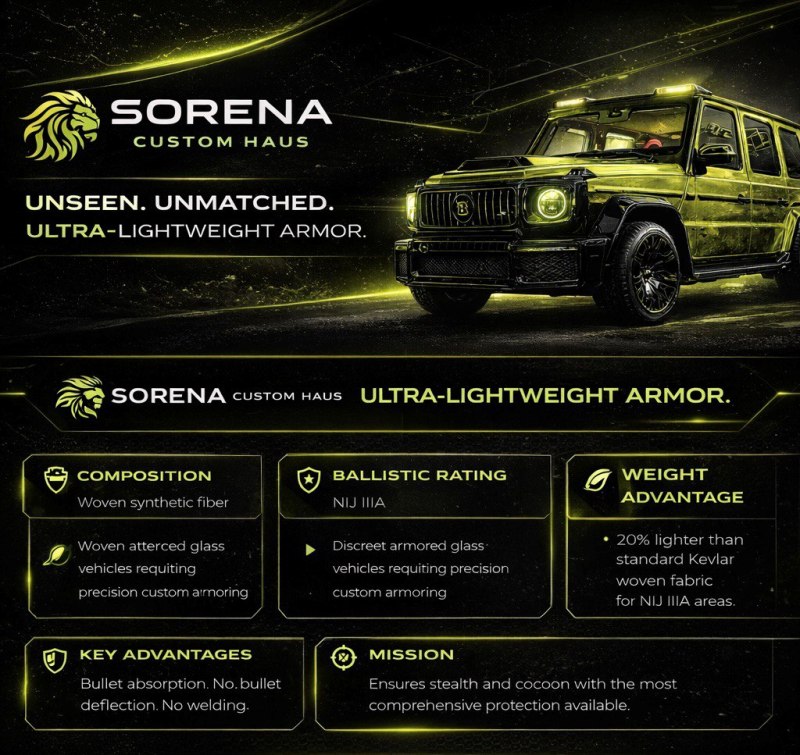
Our approach relies on next-generation lightweight ballistic materials, ensuring superior protection with minimal impact on driving dynamics.
Key Components of Our Vehicle Armoring Service
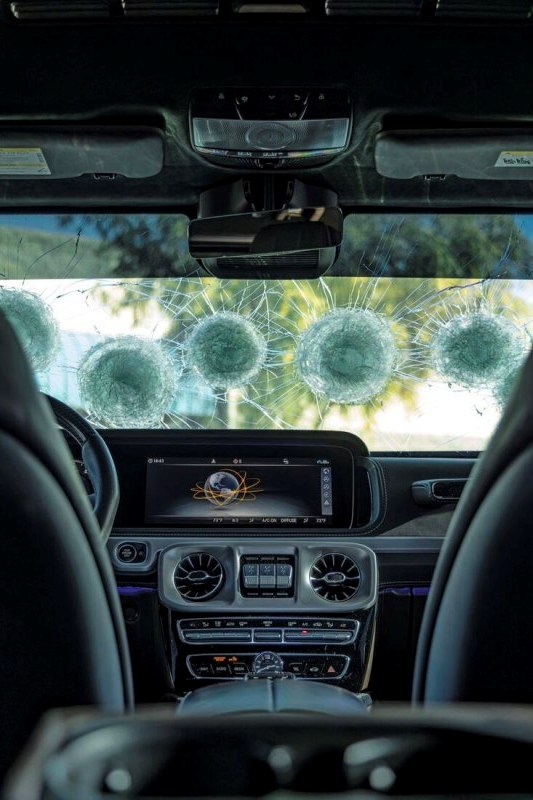
Ballistic-Resistant Glass
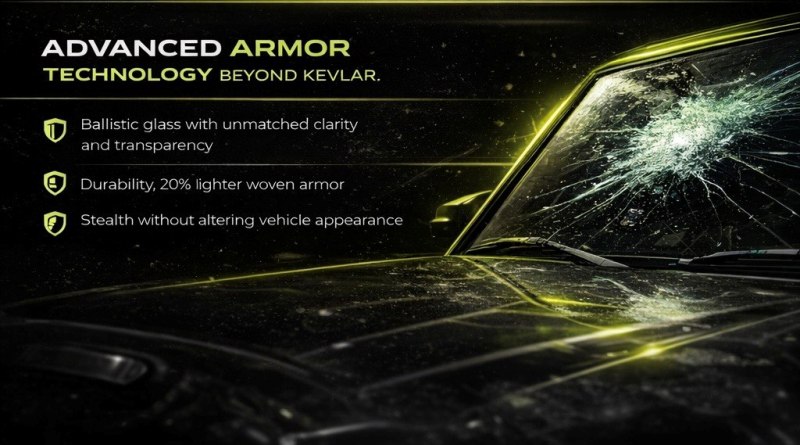
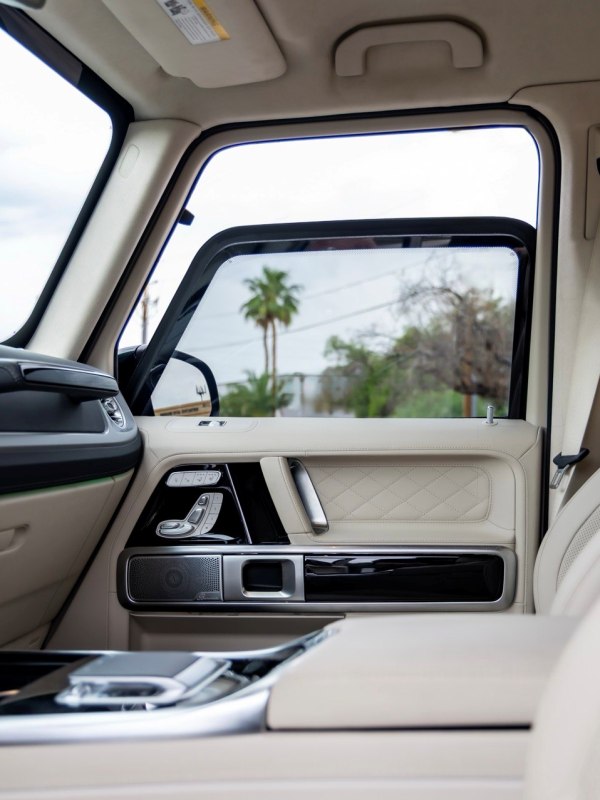
We install advanced multi-layer armored glass engineered for:
- Exceptional optical clarity
- Reduced thickness and weight
- High impact resistance
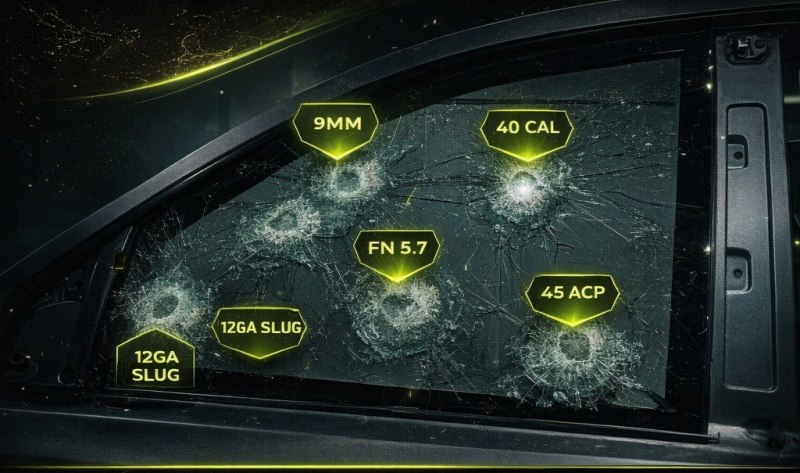
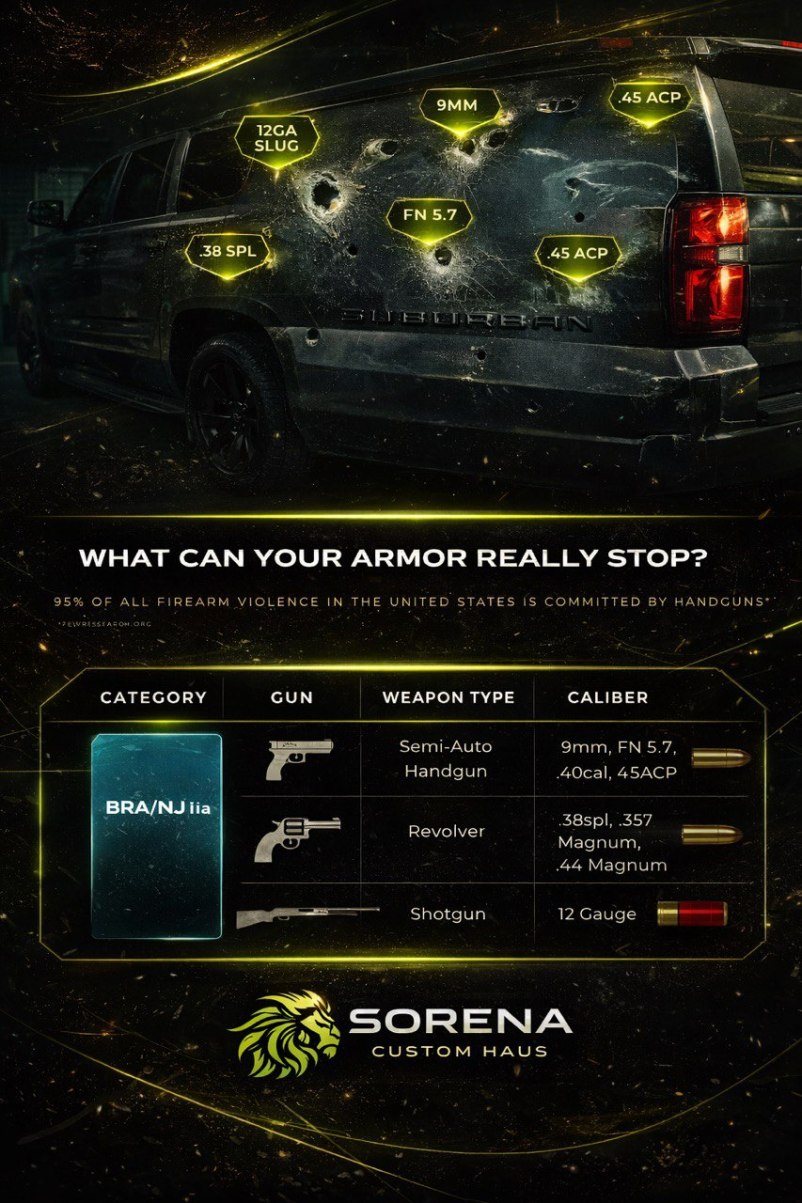
Our standard solutions meet NIJ-IIIA / BR4 protection levels, capable of stopping common handgun calibers such as:
- 9mm
- .357 Magnum
- .44 Magnum
- 12-gauge shotgun rounds
High-Density Opaque Armor Panels
Critical areas of the vehicle—including doors, roof, pillars, firewall, and rear bulkheads—are reinforced with certified composite armor materials. These include advanced aramid fibers and proprietary composites designed to absorb and disperse ballistic energy efficiently.
Structural Reinforcement & Safety Integration
All armor components are installed while preserving:
- OEM safety systems (airbags, sensors, crumple zones)
- Factory fit and finish
- Interior comfort and noise isolation
Understanding Ballistic Protection Levels (NIJ & BR Standards)
Choosing the correct protection level is essential. We guide each client through this decision based on risk profile, usage, and vehicle type.
Most Common Civilian Protection Level
NIJ-IIIA / BR4
- Protection against handguns and shotguns
- Ideal for executive, civilian, and family vehicles
- Best balance between security, weight, discretion, and cost
For clients with specialized security needs, we also provide consultation and sourcing for higher protection levels (BR5–BR7).
Our Custom Armored Vehicle Conversion Process
Our background in high-end car audio and advanced vehicle customization uniquely qualifies us for the precision required in bulletproofing installations.
1. Private Consultation & Risk Assessment
We begin with a confidential discussion to understand your security concerns, vehicle type, and usage patterns.
2. Vehicle Evaluation
Each vehicle is inspected to determine:
- Suitable armor layout
- Structural considerations
- Performance optimization requirements
3. Precision Disassembly
Interior and exterior components are carefully removed by technicians experienced in complex wiring, trim, and electronic systems.
4. Ballistic Installation
Armored glass and composite panels are installed with millimeter-level precision to ensure full coverage without gaps or overlaps.
5. Seamless Reassembly & Quality Testing
The vehicle is reassembled to factory standards:
- No visible signs of modification
- No rattles, misalignment, or compromised aesthetics
- All electronic and safety systems fully tested
The final result is a vehicle that looks stock, drives confidently, and offers advanced ballistic protection.
Discreet Craftsmanship
Our heritage in premium car audio and interior work ensures zero visual compromise. Your vehicle retains its original appearance and resale value.
Performance-Focused Armoring
By using lightweight certified materials, we minimize the impact on:
- Handling
- Acceleration
- Braking
- Fuel efficiency
Certified Materials & Trusted Partners
All ballistic components meet internationally recognized standards and are backed by manufacturer warranties and third-party testing.
One-Stop Vehicle Enhancement
From audio systems and electronics to security and armor integration, we offer complete vehicle transformation under one roof.
Who Benefits from Vehicle Bulletproofing?
Our armored vehicle services are ideal for:
- Business executives and entrepreneurs
- High-net-worth individuals
- Security-conscious families
- Fleet and corporate transport operators
- Individuals transporting valuable assets
Secure Your Vehicle with Confidence
If you’re ready to elevate your personal or corporate security, our California-based vehicle bulletproofing specialists are here to help.
We offer private consultations, custom solutions, and professional installation—delivering protection that is powerful, discreet, and engineered to the highest standards.
Source of images: armors.com
We offer all car audio services
- Blackvue DashCam
- Ambient Lighting
- Starlight
- Apple CarPlay
- Android Auto
- Paint Protection Film (PPF)
- Sound Deadening – Sound Proofing
- Front and Rear Parking Sensors
- Blind Spot Radars
- HD Backup Camera
- Mirror Monitor
- Subwoofer Integration
- Classic Car Audio
- Wheel Well Sound Deadening
- Marine Audio System
- Marin Audio
- Flipdown Monitor
- Bluetooth Integration
- Rear Entertainment System
- Window Tinting
Please visit our services page.