

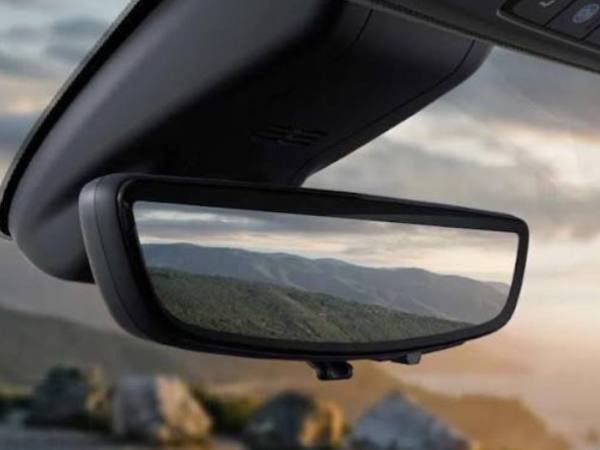
Have you ever loaded your trunk to the roof for a weekend trip, had tall backseat passengers block your line of sight, or struggled with blinding headlight glare at night? Traditional optical mirrors have served drivers for over a century, yet their view remains trapped by whatever sits inside the cabin.
If you drive an older vehicle, you might wonder: can you add a live-view rearview camera mirror to an older car?
Yes, you can. Aftermarket digital rearview mirrors allow you to retrofit the exact same high-definition, unobstructed rear-vision technology found in modern luxury vehicles onto virtually any older car, truck, or SUV.
This guide explores how a digital rearview mirror retrofit works, why major automakers are abandoning traditional reflective glass, and how upgrading your setup dramatically improves daily driving safety.
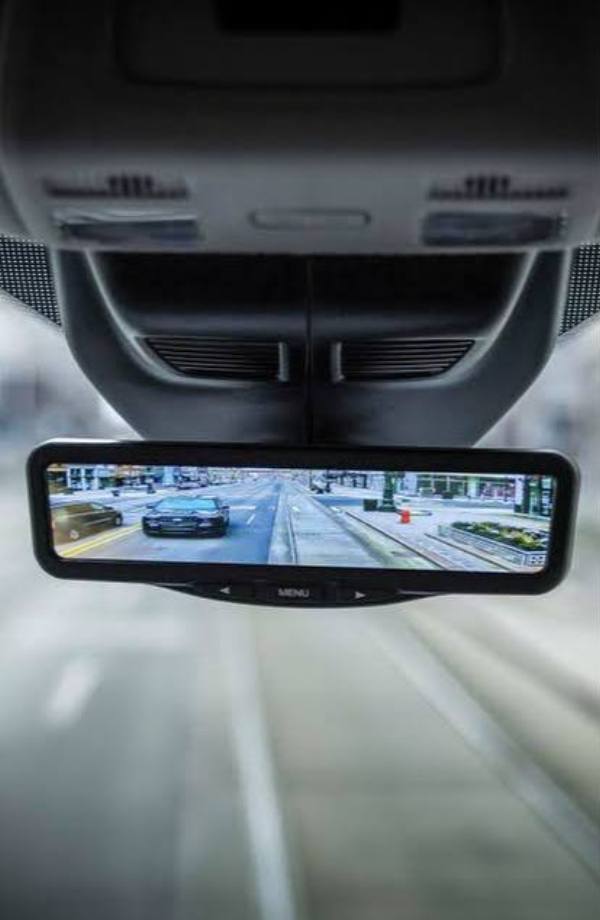
Key Takeaways at a Glance
| Feature / Aspect | Digital Rearview Mirror (Streaming LCD) | Traditional Optical Mirror |
| Field of View (FOV) | Ultra-wide (~140° to 170°), minimizing blind spots | Narrow (~35° to 45°), constrained by rear window |
| Cargo & Passenger Obstruction | Completely unobstructed (camera sits exterior/high rear) | Easily blocked by tall passengers, headrests, or luggage |
| Low-Light / Night Driving | Dynamic HDR / WDR sensor with automatic glare cut | Dependent on manual flip or electrochromic auto-dimming |
| Recording & Dash Cam | Front and rear dual-channel DVR recording capability | None (requires standalone dash cams) |
| Older Car Compatibility | Universal bracket or slip-on strap-over integration | Standard factory equipment |
Why Modern Vehicles Are Replacing Traditional Mirrors
Automakers like Cadillac, Toyota, Land Rover, and Chevrolet increasingly replace standard reflective glass with full-display streaming video mirrors. This shift addresses key functional limitations of traditional optical glass:
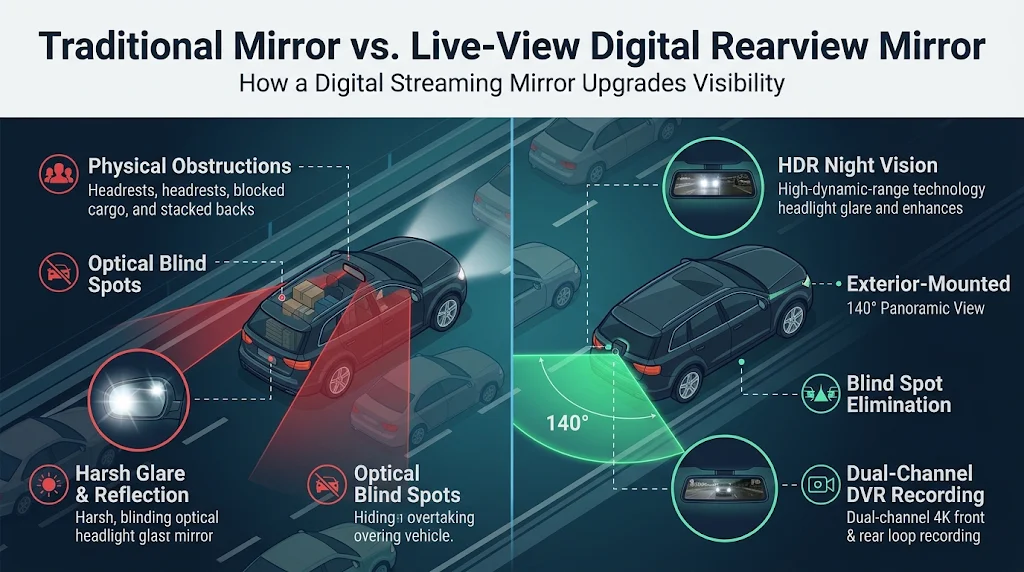
[Traditional Mirror] ──> Blocked by Headrests / Luggage / Pillars ──> Narrow Rear View
[Digital Rear Mirror] ──> Rear Exterior HD Camera Feed ────────────> Unobstructed 140°+ Panoramic View
- Completely Unobstructed Vision
In a standard mirror, your sightline passes through the interior cabin, between rear headrests, and out the back glass. If your back seat is full of camping gear, pets, or tall passengers, your rear view is effectively blind. A digital rearview mirror bypasses the cabin entirely, pulling a direct feed from an exterior-mounted camera positioned above the license plate or top rear spoiler.
- Drastically Expanded Field of View
Conventional interior glass mirrors deliver a visual field of approximately 35 to 45 degrees. By comparison, digital rear cameras utilize wide-angle lenses offering 140 to 170 degrees of continuous coverage. This wide perspective covers adjacent highway lanes and virtually eliminates rear quarter blind spots. Research by the National Highway Traffic Safety Administration (NHTSA) demonstrates that expanding visibility behind and beside vehicles significantly mitigates lane-change crashes and pedestrian collisions.
- Night Glare Reduction and High-Definition Low-Light Imaging
High-beam glare from lifted trucks or tailgaters can momentarily blind you when reflected off standard glass. Digital mirrors process light electronically using High Dynamic Range (HDR) and Wide Dynamic Range (WDR) sensors. They automatically tone down aggressive light bursts while boosting dark shadow detail, giving you balanced vision in pitch-black rural roads or heavy rain.
How to Add a Live-View Digital Mirror to an Older Vehicle
Upgrading an older vehicle is straightforward when you choose the right aftermarket hardware.
Types of Aftermarket Digital Mirrors
- Full Replacement Mirrors (OEM Style): These replace your stock windshield mirror entirely. They mount directly to your windshield’s factory wedge or D-tab bracket and conceal all wiring beneath the headliner and A-pillar trim for a clean, factory look.
- Strap-On Display Units: These clamp securely over your existing mirror using rubber bands. They are budget-friendly and easy to transfer between vehicles, though wiring management requires extra attention.
Bi-Modal Functionality: The Best of Both Worlds
A common question drivers ask is: What happens if the display fails or the camera gets covered in heavy snow?
Quality aftermarket units use bi-modal glass. With the flick of a bottom toggle or quick tap of a button, the internal LCD screen turns off, and the device functions as a standard, reflective optical mirror. This mechanical fail-safe ensures you are never left without a rear view.
Integrating Additional Features
Most modern retrofits do not stop at real-time video feeds. They routinely pack extra utility:
- Built-in Dual Dash Cams: The mirror body houses a forward-facing 4K/2K dash camera, while the rear camera records simultaneous loop footage for accident liability and insurance claims.
- Dynamic Reverse Parking Guidelines: By tapping the vehicle’s reverse light circuit, the screen automatically shifts angle downward and displays distance guidelines the moment you select reverse.
- Touchscreen Gestures: Swipe up or down on the mirror surface to adjust vertical camera angles, or swipe horizontally to modify display brightness.
If you are upgrading an older daily driver, consider checking our comprehensive guide on automotive electrical wiring and clean accessory power integration as well as our deep dive into choosing the best multi-channel dash cam systems.
Frequently Asked Questions
Will a digital rearview mirror fit my older car?
Yes. Most vehicles use standard universal windshield mounting brackets. For rare or vintage vehicles, specialized adapters convert factory mounts into universal brackets, or rubberized strap-over units can attach over the existing mirror glass without altering the mount.
Does the camera feed lag or cause motion sickness?
Reputable aftermarket systems stream at 30 to 60 frames per second over low-latency coaxial or digital connections, eliminating perceptible lag. While older drivers may occasionally experience a brief focal readjustment switching from far-distance viewing to an LCD screen, most adapt within a couple of days. If your eyes feel fatigued, you can instantly toggle back to traditional reflective glass mode.
Can rain or dirt block the rear camera lens?
Because the camera sits on the vehicle’s exterior, droplets and road grime can accumulate in wet conditions. Premium kits feature hydrophobic-coated lenses that repel water beads. If extreme conditions obscure the lens, you can revert to reflective mirror mode immediately with the flip of a switch.
Does a digital mirror drain the vehicle battery when parked?
When installed with an accessory-switched (ACC) fuse tap, the mirror powers down completely when the ignition is switched off. If you activate 24/7 parking surveillance mode, the system draws nominal standby current and includes low-voltage battery cutoff protection to prevent draining your starter battery.
Complete Your Vehicle’s Safety and Cabin Upgrade
Retrofitting a live-view digital rearview mirror brings older cars into the modern era with improved visibility, high-resolution recording, and reduced nighttime eye strain. Combining digital visibility with precision proximity sensing and premium comfort creates a comprehensive driving experience.
If you want comprehensive protection from tight parking spots to bumper-to-bumper commutes, pair your mirror setup with professional Front and Rear Parking Sensors by Sorena Car Audio in Irvine, California.
Planning long road trips with family? Keep rear passengers relaxed and entertained by pairing your driver-assist tech with a custom Rear Entertainment System from Sorena Car Audio. Contact their team of specialists to design the ultimate technology package for your vehicle today.
Leave A Comment