


There is nothing worse than stepping into your car, cueing up your favorite playlist or podcast, and being greeted by a wall of fuzzy radio static or flat, tinny audio. If your vehicle lacks factory-installed Bluetooth, you’ve likely realized that trying to find a reliable, high-fidelity wireless solution can be an absolute minefield of cheap, generic hardware.
When clients drive into our workshop looking to modernize their dashboard tech, they usually ask the same question: Can a simple plug-and-play adapter actually sound good, or do I need to rip out the entire factory head unit?
The answer depends entirely on the type of adapter you choose and how it interfaces with your car’s electrical architecture. Below, our engineering team breaks down the exact adapter formats we test in our shop, how to maximize your sound quality, and what you can expect to pay for a solid fix.
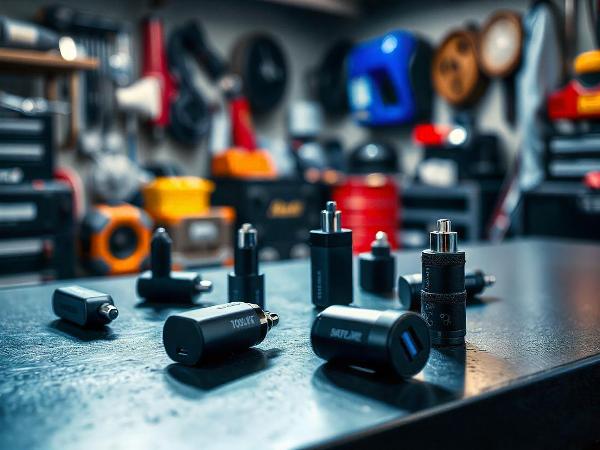
Key Takeaways at a Glance
| Adapter Type | Primary Connection | Audio Quality Rating | Estimated Price Range (2026) | Best Used For |
| Auxiliary (AUX-In) | 3.5mm Headphone Jack | Excellent (Direct line-in signal) | $25 – $65 | Vehicles with a working AUX port looking for crisp, lag-free music streaming. |
| FM Transmitter | Wireless Radio Frequency | Poor to Fair (Prone to local static) | $15 – $40 | Older cars without AUX or USB ports; relies entirely on empty radio bands. |
| USB-Direct Receiver | Digital USB Port | Outstanding (Bypasses phone DAC) | $35 – $80 | Modern-ish factory stereos that have USB inputs but lack built-in Bluetooth profiles. |
| Bluetooth Cassette | Physical Tape Deck | Fair (Mechanical floor noise) | $20 – $35 | Vintage or classic cars keeping the stock dashboard layout intact. |
The 4 Main Types of Bluetooth Adapters (And How They Perform in the Workshop)
To get clean audio, you have to understand how data moves from your phone to your speakers. In our bay, we categorize adapters into four distinct formats based on their connection stability and acoustic throughput.
1. Auxiliary-In (AUX) Adapters — The Audiophile’s Budget Choice
If your car has a 3.5mm AUX jack, this is always our first recommendation short of a full dashboard stereo overhaul. These devices plug directly into your factory line-in port and draw power from a standard 12V cigarette lighter or a USB port.
- Why we like them: Because the audio signal travels directly through a physical wire into your factory amplifier, you don’t lose dynamic range to radio interference.
- Workshop Note: Watch out for “ground loop hum.” If you hear a high-pitched whining noise that gets louder as you step on the gas pedal, the adapter is picking up electrical noise from your alternator. We solve this by adding a small, inexpensive component called a Ground Loop Noise Isolator between the adapter and the AUX jack.
2. FM Transmitters — Built for Pure Convenience
FM transmitters take the audio signal from your phone and broadcast it as a localized, low-power FM radio station. You then tune your car’s radio to that exact empty frequency (for example, 88.1 FM) to hear your audio.
- The Reality Check: While incredibly convenient for older vehicles that lack any input ports, FM transmission is highly susceptible to atmospheric static, building interference, and signal bleed from high-powered commercial radio stations.
- Workshop Note: If you are using an FM transmitter in a dense metropolitan area, we advise manually unscrewing your car’s external radio antenna mast if possible. This drastically limits the outside radio signals your car receives, cleaning up the background static on your adapter’s chosen frequency.
3. USB-Direct Bluetooth Kits
These kits plug straight into your vehicle’s factory USB port. Instead of sending an analog audio signal, they transmit digital data blocks directly to your car’s factory media system.
- Why they excel: They often pass data perfectly, allowing you to use your existing steering wheel buttons to skip tracks or adjust volume.
- Workshop Note: Check your vehicle manufacturer’s compatibility. Some older factory USB ports are hard-coded to only read older iPod files or specific USB flash drives, meaning they may reject generic USB Bluetooth dongles entirely.
4. Bluetooth Cassette Adapters
For classic cars or older daily drivers equipped with an original tape deck, these adapters look exactly like a standard cassette tape but house a mini Bluetooth chip and an induction head inside.
- The Performance: They are an ingenious way to keep a vintage dashboard completely stock. However, you will hear a faint mechanical whirring sound of the tape gears turning in the background.
3 Critical Features You Cannot Afford to Ignore
When shopping around, don’t just buy the cheapest plastic dongle on the shelf. Look for these specific technical details:
Advanced Bluetooth Codecs (AAC & aptX)
Standard Bluetooth compression can make high-end music files sound flat and muddy. Look for adapters that explicitly support AAC (for iPhones) or aptX / LDAC (for Android devices). These advanced protocols transmit significantly more data per second, preserving your music’s bass punch and vocal clarity.
Active Noise Cancellation (ANC) for Hands-Free Calling
An adapter isn’t just for music; it’s your lifeline for legal, hands-free phone calls. Cheap adapters use low-grade omnidirectional microphones that pick up every bit of tire roar, wind whistling, and engine vibration. Look for a kit featuring a dedicated external microphone with built-in noise cancellation tech that you can mount directly on your steering column or near your rearview mirror.
Multi-Device Automatic Pairing
Ensure the unit utilizes at least Bluetooth 5.0 or higher. This allows the adapter to automatically connect to your phone the second you turn your ignition key, rather than forcing you to open your phone’s settings menu every single time you start the car.

Professional Troubleshooting: How to Fix Common Bluetooth Issues
Before you throw an adapter in the trash because it sounds terrible, try these workshop tricks we use during diagnostic checks:
- The “Double-Volume” Rule: If your audio sounds incredibly distorted and fuzzy, your phone’s software volume is likely maxed out at 100%, causing the adapter’s internal pre-amp to clip the audio signal. Turn your phone volume down to about 80% to 85%, and use your car stereo’s physical volume knob to bring up the sound level. This instantly cleans up mid-range distortion.
- Sudden Connection Drops: If your music stutters or drops out when you accelerate, check the fitment inside your 12V cigarette lighter socket. Over time, these sockets accumulate dust or the internal metal tension tabs bend outward. Clean the socket out with compressed air (with the car turned completely off!) to restore a tight electrical connection.
Frequently Asked Questions from Car Owners
Will a Bluetooth adapter drain my car battery if I leave it plugged in?
It depends on how your car handles power. Some vehicles cut all electricity to the 12V cigarette lighter socket the moment you turn off the ignition key. However, many domestic and European models leave those sockets “live” 24/7. If your adapter has an active LED light or stay-awake circuit and sits in a live socket for several days without the engine running, it can slowly drain a weak car battery.
Why does my FM transmitter sound perfect in the driveway but terrible on the highway?
When driving, you constantly move through different geographic coverage zones of regional radio stations. A frequency that was completely empty and dead in your driveway might be actively used by a college radio station 15 miles down the road, causing severe audio bleed and static overlay.
Can I just upgrade my factory radio instead of using an adapter?
Absolutely, and from an acoustic standpoint, it is always the superior choice. If your dashboard configuration allows it, installing a modern digital media receiver or an integrated Apple CarPlay / Android Auto head unit provides pristine sound, seamless steering wheel control integration, and custom tuning options that no external adapter can match.
Ready to Fully Modernize Your Driving Experience?
While a high-quality Bluetooth adapter is an excellent, budget-friendly stopgap, it cannot overcome the power and acoustic limits of an aging factory radio processing system. If you are tired of dealing with loose wires, lingering alternator noise, or poor microphone quality, it might be time for a permanent dashboard upgrade.
At Sorena Car Audio, we specialize in seamless, factory-style tech integrations. Whether you want to explore a direct Bluetooth Integration service or completely overhaul your sound system with modern smartphone connectivity, our team is here to help.
Sorena Car Audio Specialist Verification Box
This guide was comprehensively updated and verified by a senior Sorena Car Audio specialist in 2026, incorporating the latest industry standards, acoustic engineering principles, and hands-on installation techniques from our workshop.

Interested in our Services?
Contact us to explore a wide range of car audio services.
List of Services:
- DashCam
- Ambient Lighting
- Starlight
- Apple CarPlay
- Android Auto
- Paint Protection Film (PPF)
- Sound Deadening – Sound Proofing
- Front and Rear Parking Sensors
- Blind Spot Radars
- HD Backup Camera
- Mirror Monitor
- Subwoofer Integration
- Classic Car Audio
- Wheel Well Sound Deadening
- Marine Audio System
- Marin Audio
- Flipdown Monitor
- Bluetooth Integration
- Rear Entertainment System
- Windows Tinting
- Steerig Wheel Upgrade
- ECU Tuning
- Car Wrapping
Leave A Comment